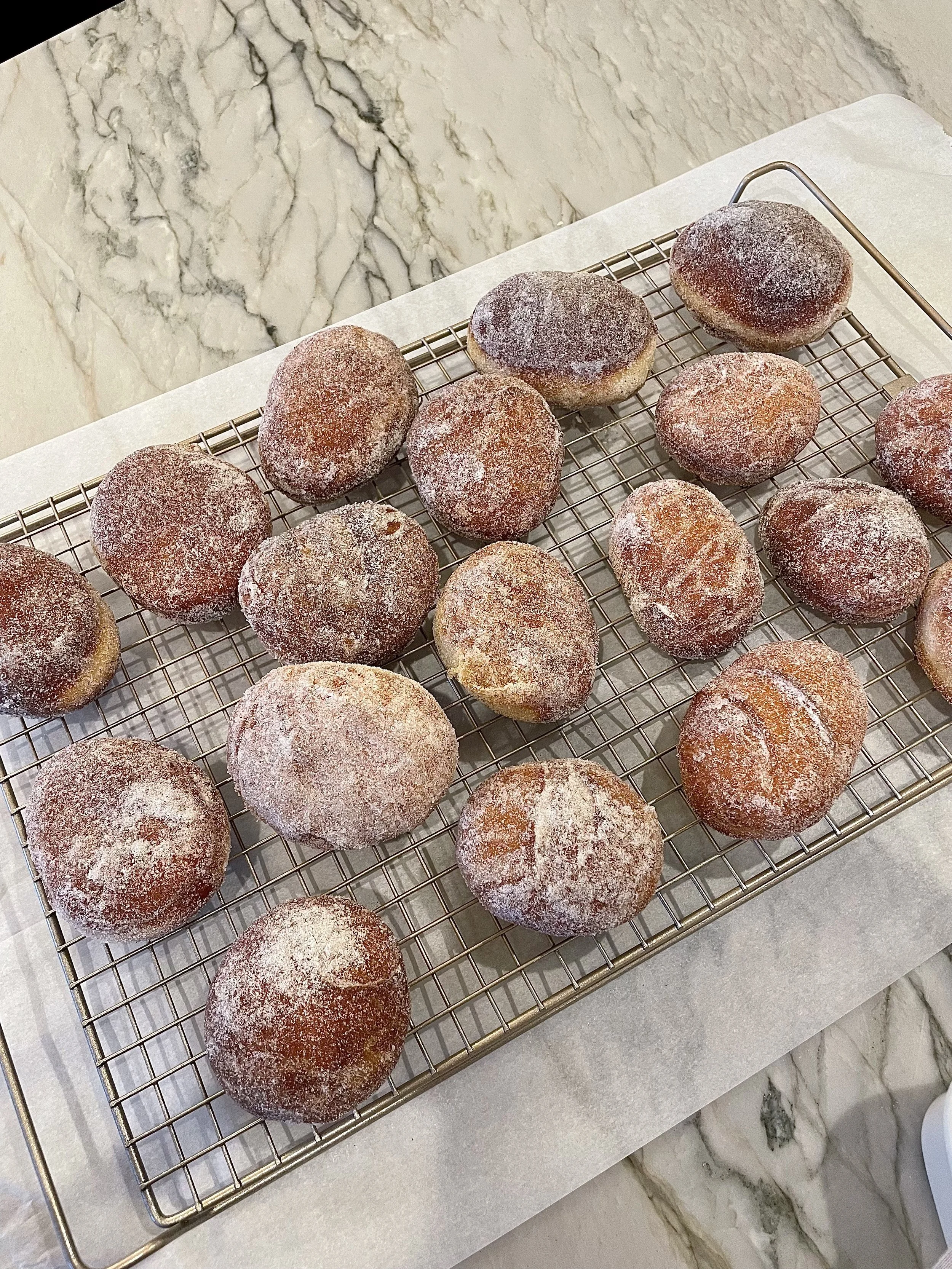
Bombolone (Italian-Style Doughnuts)
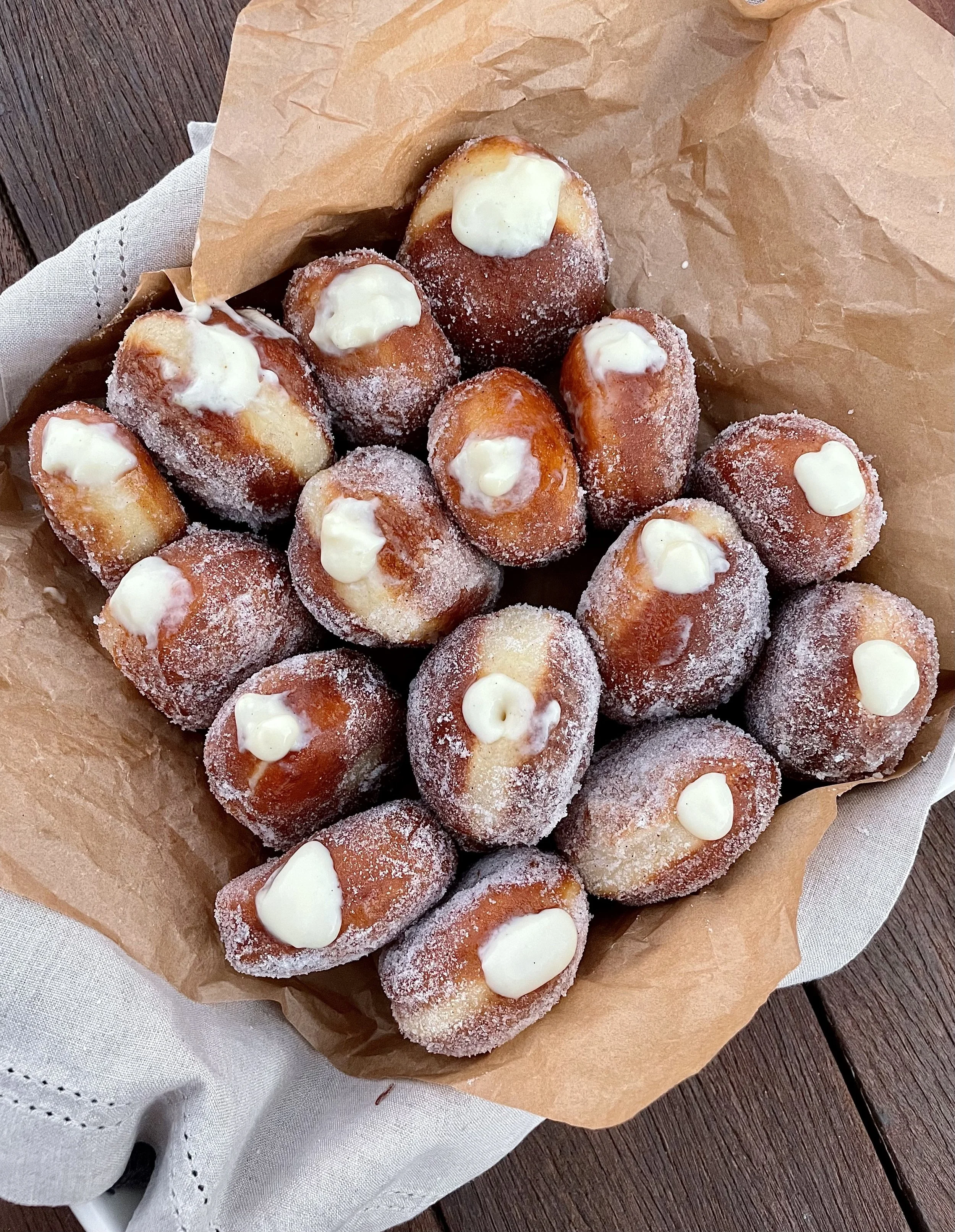
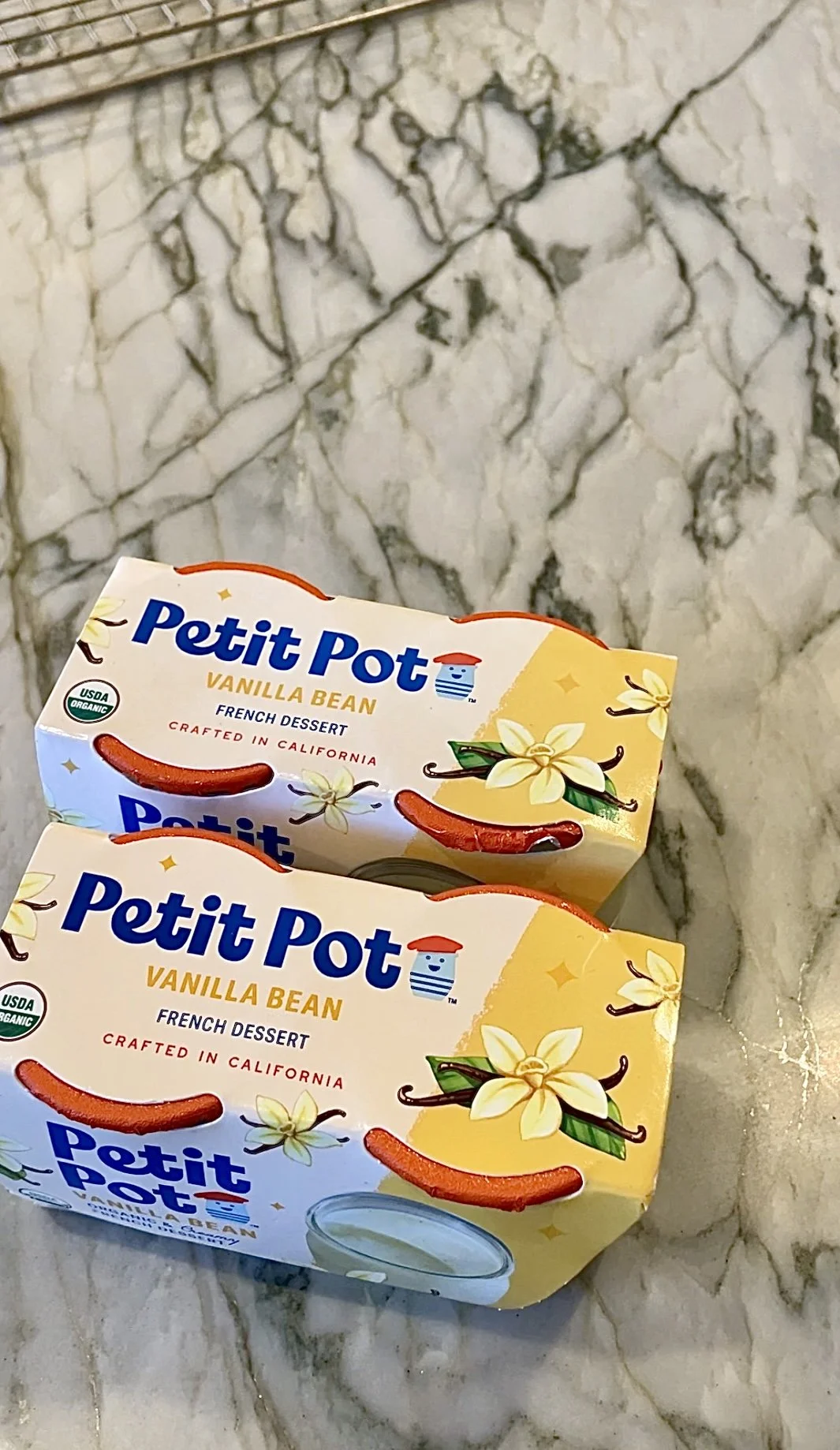
Bombolone are Italian-style filled doughnuts traditionally rolled in sugar and filled with Italian pastry cream. These bombolone are filled with Petit Pot pots de crème after the Petit Pot brand reached out to me wanting to send me some of their products to inspire my content creation. Thus, these Petit Pot-filled bombolone were born. Now, I know mixing the French and Italians together might not be the first thing everyone expected; however, these are pretty freaking good and you’ll have to make them to find out for yourself. And if Petit Pot is not sold near you, I have included a recipe for pastry cream I personally love for you to fill your precious bombolone with. Now, do I have your mouth watering yet?! If so, let’s begin…..
Bombolone recipe altered from the kitchn linked here
Italian Pastry Cream (Crema Pasticcera) recipe altered from Cucina By Elena linked here
INGREDIENTS
Doughnuts
6 tbsp unsalted butter
1 cup whole milk
1 1/4 cups plus 1 teaspoon granulated sugar, divided
1 tsp cardamom
1 tsp espresso powder
1 tsp ground ginger
1 (1/4-ounce) packet active dry yeast (2 1/4 teaspoons)
4 cups all-purpose flour, plus more for rolling
2 large eggs
1 tsp kosher salt
1 tsp vanilla extract
2 quarts canola or vegetable oil, for deep frying, plus more for bowl
5 packages (10 pots) Vanilla Bean/Pistachio/or Dark Chocolate Petit Pots (if not using pastry cream recipe below to fill doughnuts with)
Italian Pastry Cream (Crema Pasticcera)
4 medium egg yolks
1/2 cup granulated sugar
1/3 cup cornstarch
2 cups whole milk
1-2 tsp vanilla extract (can also use almond extract!)
Instructions
Let 6 tablespoons unsalted butter sit at room temperature until softened (about 1 hour).
If using pastry cream instead of Petit Pot filling, begin by whipping the egg yolks and sugar with an electric mixer until light and foamy, about 5 minutes, in a medium-sized bowl. Add the cornstarch and mix again for 1-2 minutes until smooth and combined.
In a saucepan heat the milk and vanilla extract on low heat. Stir to combine. Turn heat to medium and heat milk until a soft boil (little bubbles on the sides and steam starts to form). When the milk is hot, remove from heat. Using a whisk, begin adding the beaten egg, sugar, and cornstarch mixture, a little at a time into the hot milk. It’s very important to stir constantly until you achieve a unified mixture.
Put the saucepan back on low heat and continue whisking. Simmer for about 3-4 minutes until the cream begins to thicken. The cream must NEVER boil. This is so that you have a smooth cream without lumps and without chunks of cooked egg.
If you have a cooking thermometer, you can check that the temperature never exceeds 185 F. Otherwise, as soon as you see that bubbles begin to form in the cream, lower the heat. You can even remove it from the heat for a few seconds and put it back.
Keep cooking on very low heat until the cream is thickened. When the cream is well thickened (it will stick to the back of a wooden spoon and not drip off), immediately pour it into a cold glass container.
While cooling, cover the cream with plastic wrap, keeping the plastic wrap in contact with the cream. This is to avoid forming skin on the cream surface. Refrigerate at least 3 hours for it to set.
Warm 1 cup whole milk in 30-second intervals in the microwave or in a small saucepan over low heat until warm, 100 to 110 F. Pour into a stand mixer. Sprinkle with 1 packet active dry yeast and 1 teaspoon of the granulated sugar and stir to combine. Let sit until foamy, about 5 minutes. (If not foamy, the yeast is dead and you should start over.)
Add 4 cups all-purpose flour, 1/4 cup of the granulated sugar, softened butter, 2 large eggs, 1 teaspoon kosher salt, and 1 teaspoon vanilla extract. Mix with the dough hook attachment on low speed until the flour is incorporated. Increase the speed to medium and mix until the dough has come together and is smoother but still sticky, 8 to 10 minutes.
Scrape the dough onto a lightly floured work surface. Knead with your hands a few times until it forms a ball. Lightly grease a large bowl with canola oil. Add the dough and flip to coat in the oil. Cover with a clean dish towel or plastic wrap and let rise in a warm place until doubled in size, about 1 hour.
Line 2 baking sheets with parchment paper. Transfer the dough to a lightly floured work surface. Roll out until 1/2-inch thick. Using a 3-inch round cutter, cut out as many rounds as possible and transfer to the baking sheets. Gather the dough scraps, roll out again, and and cut out more doughnuts. If the dough is springy and difficult to roll out, let it rest for several minutes before rolling again.
Cover the baking sheets loosely with clean dish towels or plastic wrap. Let rise in a warm place until puffed, about 1 hour. Meanwhile, line a third baking sheet with paper towels. Place the remaining 1 cup granulated sugar in a medium bowl. Add cardamom, espresso powder, and ginger to the sugar in the bowl and mix until well combined.
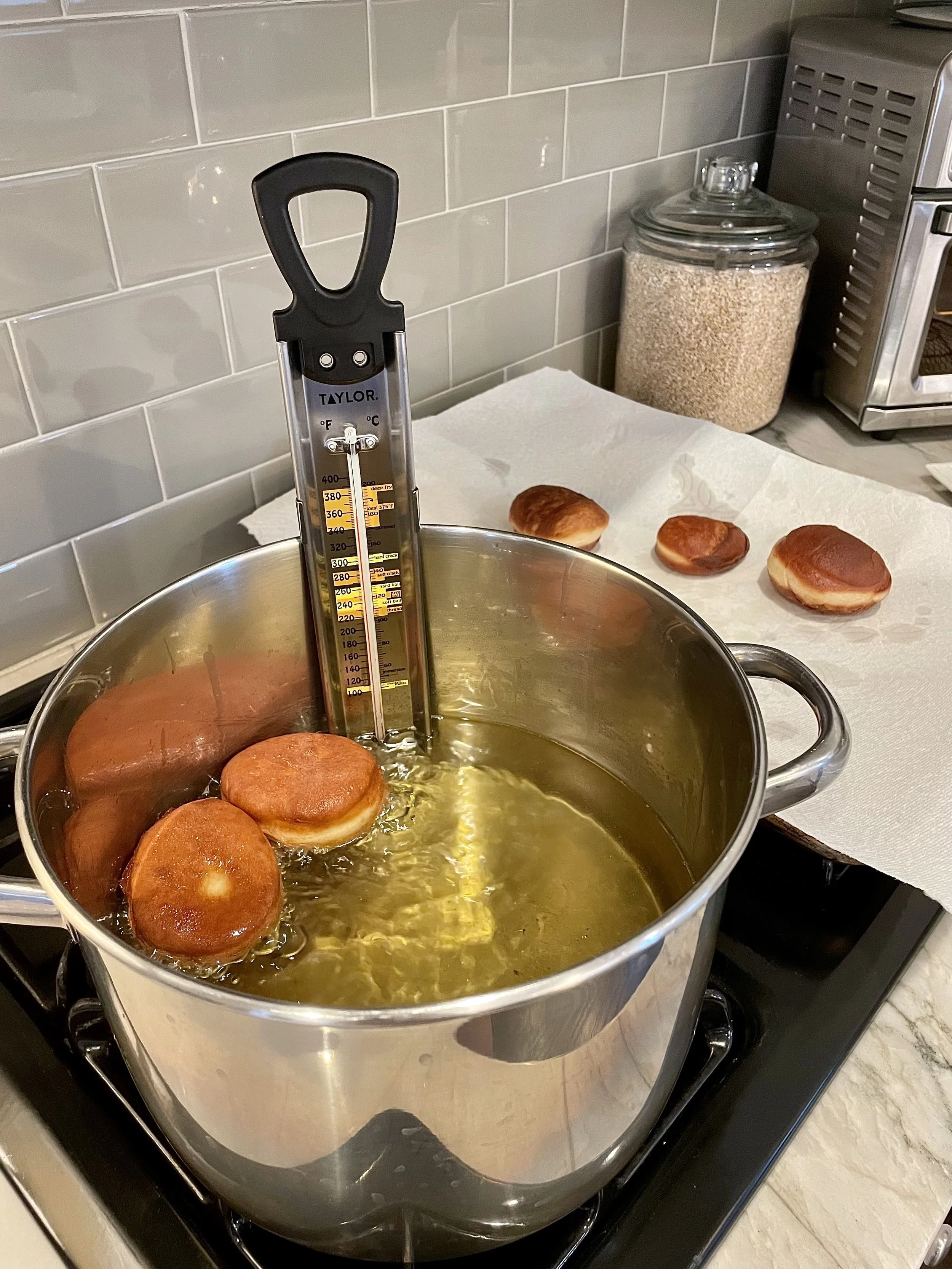
Heat 2 quarts canola or vegetable in a large Dutch oven or heavy-bottomed pot over medium-high heat until 350 F.
Fry the doughnuts in batches of 2-3: Gently add the doughnuts to the hot oil and fry until deep golden-brown on the bottom, 2 to 3 minutes. Flip the doughnuts and fry until puffed and the second side is deeply golden-brown, 2 to 3 minutes more. Using a metal spider or slotted spoon, carefully transfer the doughnuts to the paper-towel lined baking sheet.
While the next batch is frying, add the just-fried doughnuts to the bowl of sugar one at a time and toss to coat. Return to the baking sheet. Let the doughnuts cool for 15 minutes before filling.
If using Italian pastry cream filling, scrape about 1 cup of Italian pastry cream into a piping bag fitted with a large round piping tip (or star tip!). If using Petit Pot, scrape about 3 jars of Petit Pot (flavor of your choice) into a piping bag fitted with a large round piping tip (or star tip!). Insert the tip of a small knife or chopstick into the side of each doughnut and rotate to make a small hole for the filling. Pipe the filling through the hole into each doughnut, adding more filling to the piping bag as needed. Squeeze any unused filling into a container with a tight-fitting lid for later use. Serve immediately and enjoy!
Follow @injoskitchen on Instagram & watch this recipe come to life:
https://www.instagram.com/reel/CzOrxTHrh9E/?utm_source=ig_web_copy_link&igshid=MzRlODBiNWFlZA==